
Prof. Dimitar Dimitrov: Our University Has Registered Five EU Trademarks, a Useful Model for a Technology Transfer System at UNWE and Two Newly Established Institutes
Mr. Rector, this week the UNWE registered five European Union trademarks related to the National Intellectual Property Map created by the Institute of Intellectual Property and Technology Transfer. What is the significance of the trademarks registered in the EU?
The registration of these trademarks is not merely a legal action. The result achieved is twofold: firstly, only the UNWE in the EU will be able to use IP Map and IP Profile, with which our university was the first in time and, therefore, the first by right to close the market for itself with this type of products – intellectual property map and intellectual property profile; and secondly, the result is a symbol of UNWE's capabilities in developing and implementing innovative research results intended for industry. From the perspective of metrics in the relevant scientific fields, it is important to note that for the first time in the EU, a European university, in this case the UNWE, has registered three indices developed by our institute for measuring the intellectual property as EU trademarks – IP Index, IndP Index, and LAP Index. According to research in international databases /TM View, WIPO Global Brand Database, and Madrid Monitor/, to date, only leading universities such as Yale, the University of Sydney, and the University of Edinburgh, with countries such as the US, the UK, and Singapore, have their own indices registered as trademarks in a global context. I should also add that our research shows that there are 56 applications from universities for indexes worldwide, of which 2 are international applications with protection in Switzerland and the United States, four regional applications for the EU, three of which are from the UNWE, and 50 national applications submitted by various universities in the United States, Australia, Singapore, the United Kingdom, Switzerland, India, and Malaysia, with the UNWE being the only university in the world with active EU trademarks for indexes. This confirms the UNWE position as a leader in setting standards at the European level.
 |
What is the National Map of Intellectual Property of the Republic of Bulgaria project, the results of which you presented in April 2025?
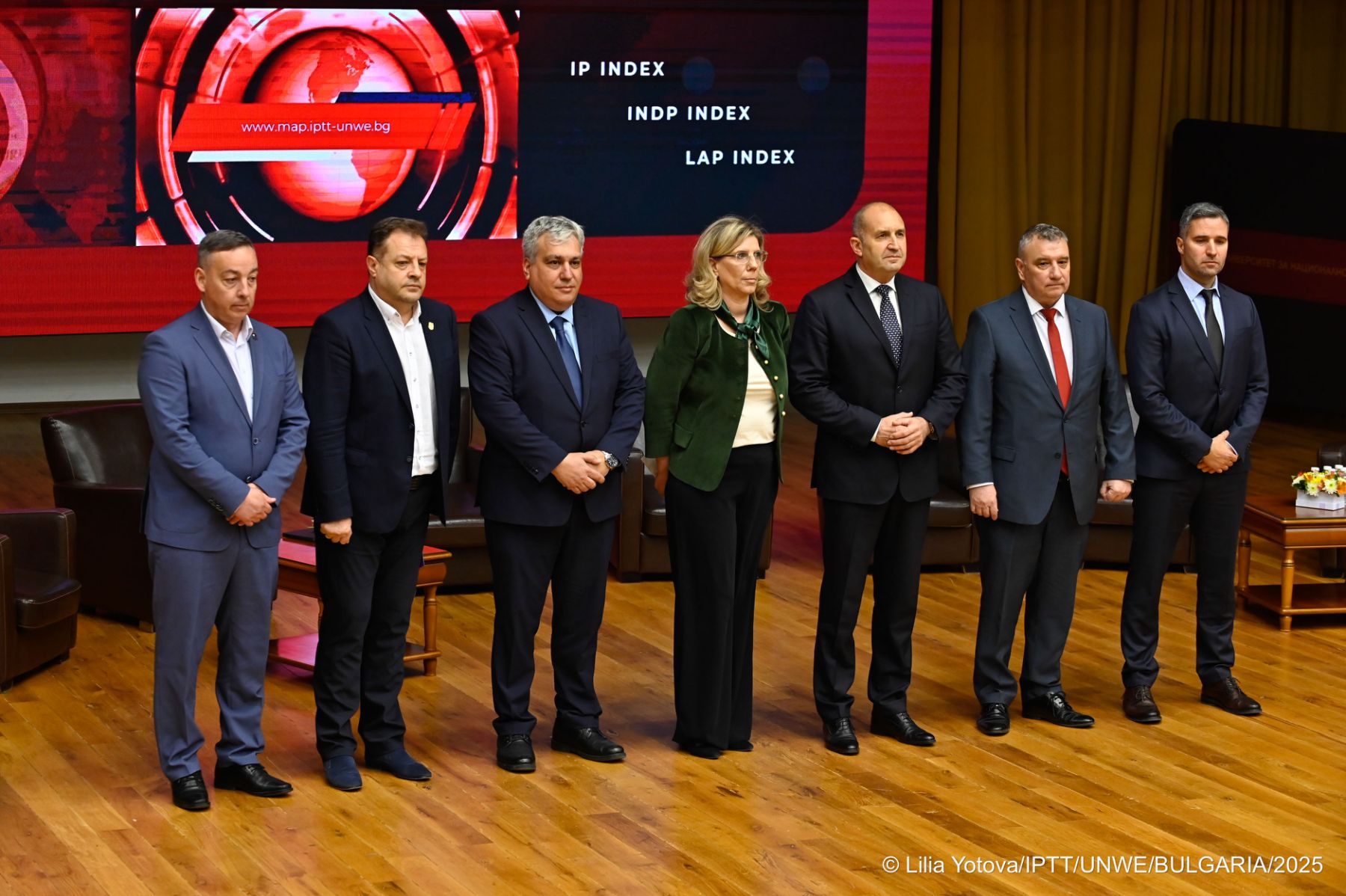
The significance of the study is the result of impressive collaboration between our university and six partners: the Ministry of Culture, the National Statistical Institute, the Patent Office of the Republic of Bulgaria, the National Association of Municipalities in the Republic of Bulgaria, the National Association of Municipal Council Chairpersons, and the National Chamber of Craftsmen in Bulgaria. The presentation of the results was attended by the President of the Republic of Bulgaria, the Heads of the partners, a number of mayors, government representatives, and representatives of the embassies of the United States, Israel, Ukraine, Turkey, Hungary, and Italy. The National Map of Intellectual Property of the Republic of Bulgaria is the first research and analytical tool of its kind in Bulgaria, which, please pay attention, provides an annual detailed overview of the state of intellectual property in our country down to the municipal level. All 265 Bulgarian municipalities are covered, with individual profiles prepared for each, including data on industrial, literary, and artistic property. The three new indices I mentioned above enable real comparison, ranking, and identification of strengths and weaknesses at the municipal level. In the current year the UNWE, through its Institute of Intellectual Property and Technology Transfer presented the country's first five-year report with all data at the municipal level, which is the result of cooperation on the national map. It is important to note that all data is public, free of charge, and available online on the website of our Institute of Intellectual Property and Technology Transfer.
 |
Which institutions support the project and what is the scope of the partnerships?
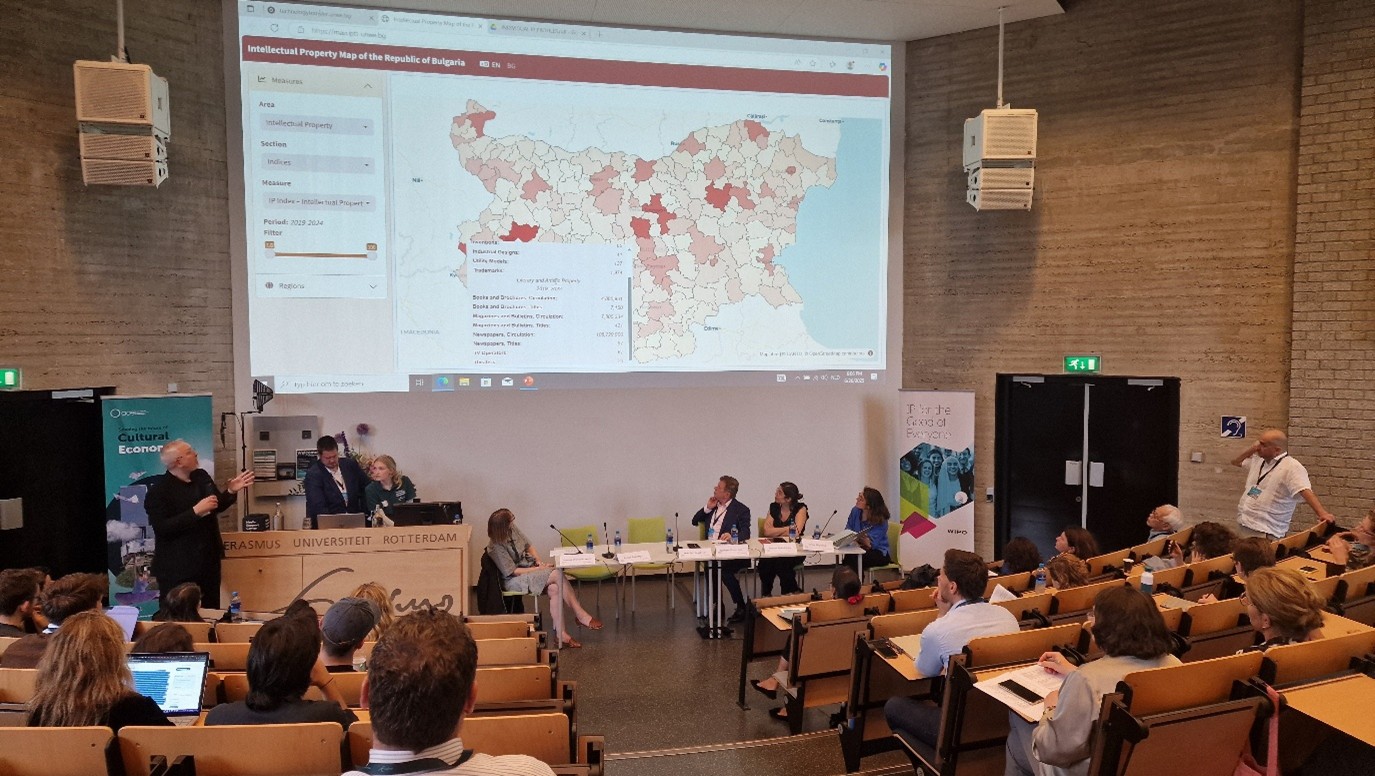
In addition to Bulgarian partnerships, the UNWE presented the technology for creating the national intellectual property map at the largest forum of the 23rd International Conference on Cultural Economics at Erasmus University, Rotterdam, the Netherlands.
 |
| Rotterdam |
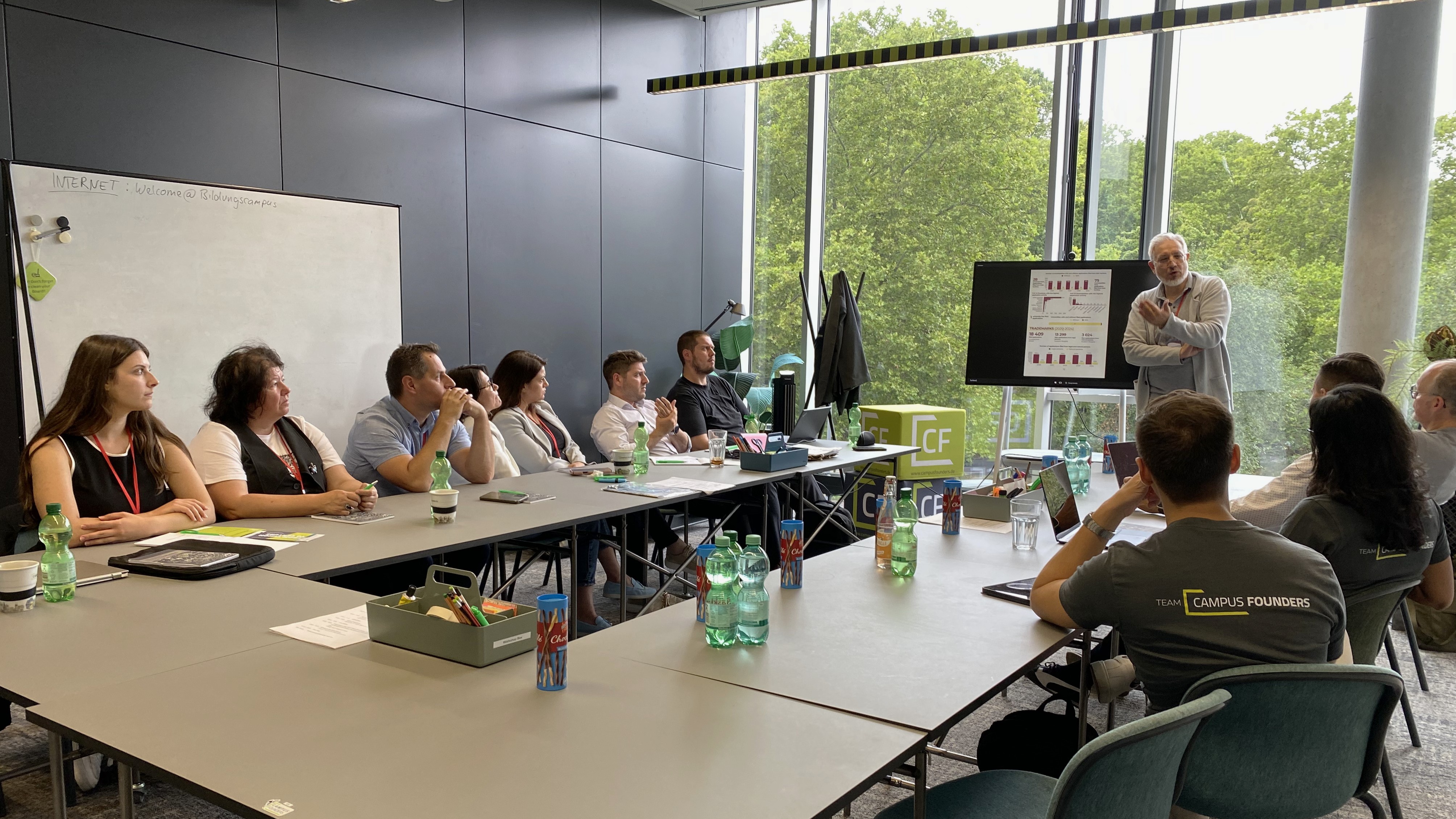
The team of the Institute of Intellectual Property and Technology Transfer presented the results of the project during a week-long training at Campus Founders, a leading center for innovation and start-ups located in Heilbronn, Germany.
 |
| Campus Founders |
During their visit to Heilbronn, Germany, a meeting was held with Fraunhofer, Europe's leading research institute, and with the Heilbronn University of Applied Sciences, which were also informed about the achievements on the project National Intellectual Property Map of the Republic of Bulgaria.
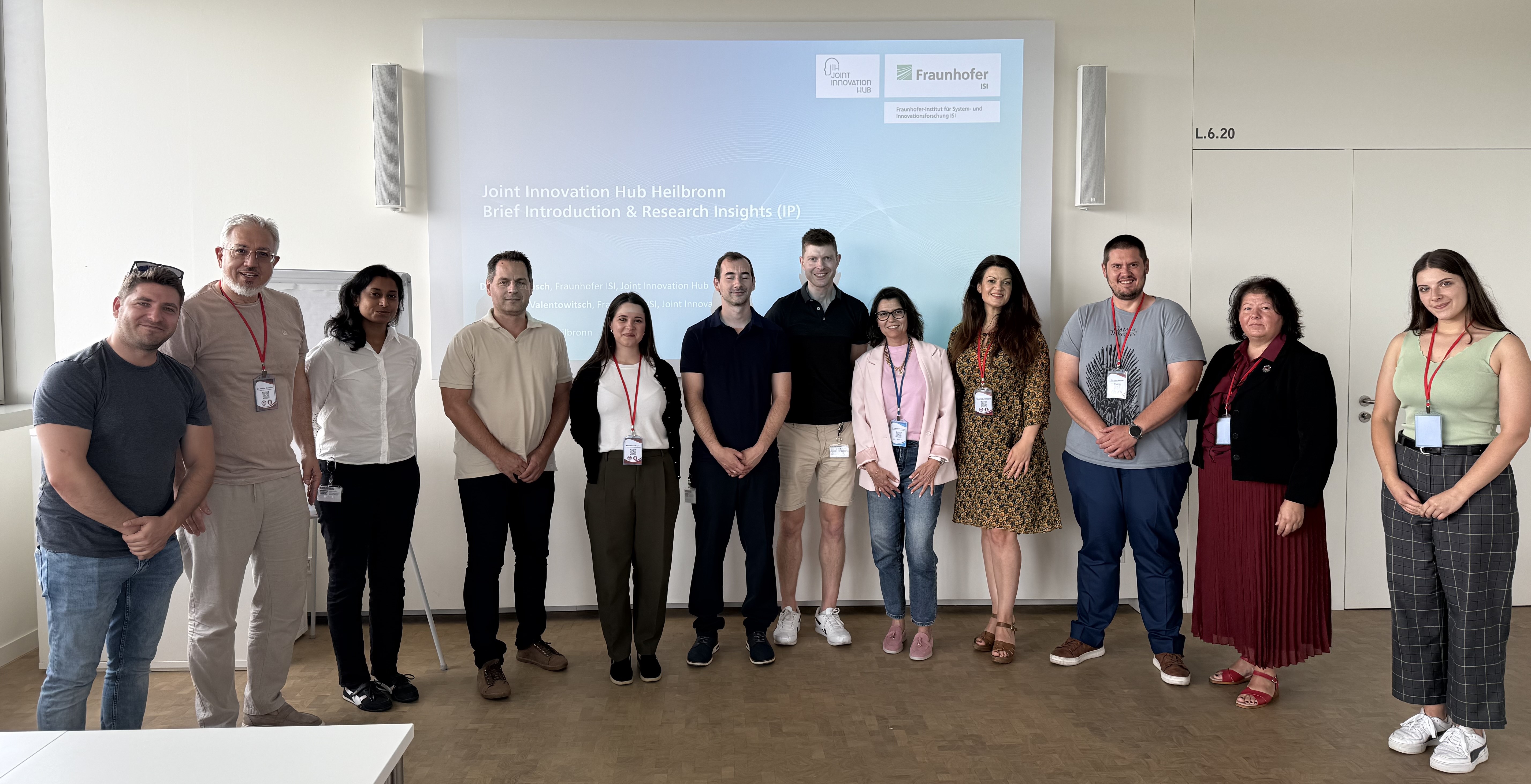 |
| Fraunhofer Joint Innovation Hub |
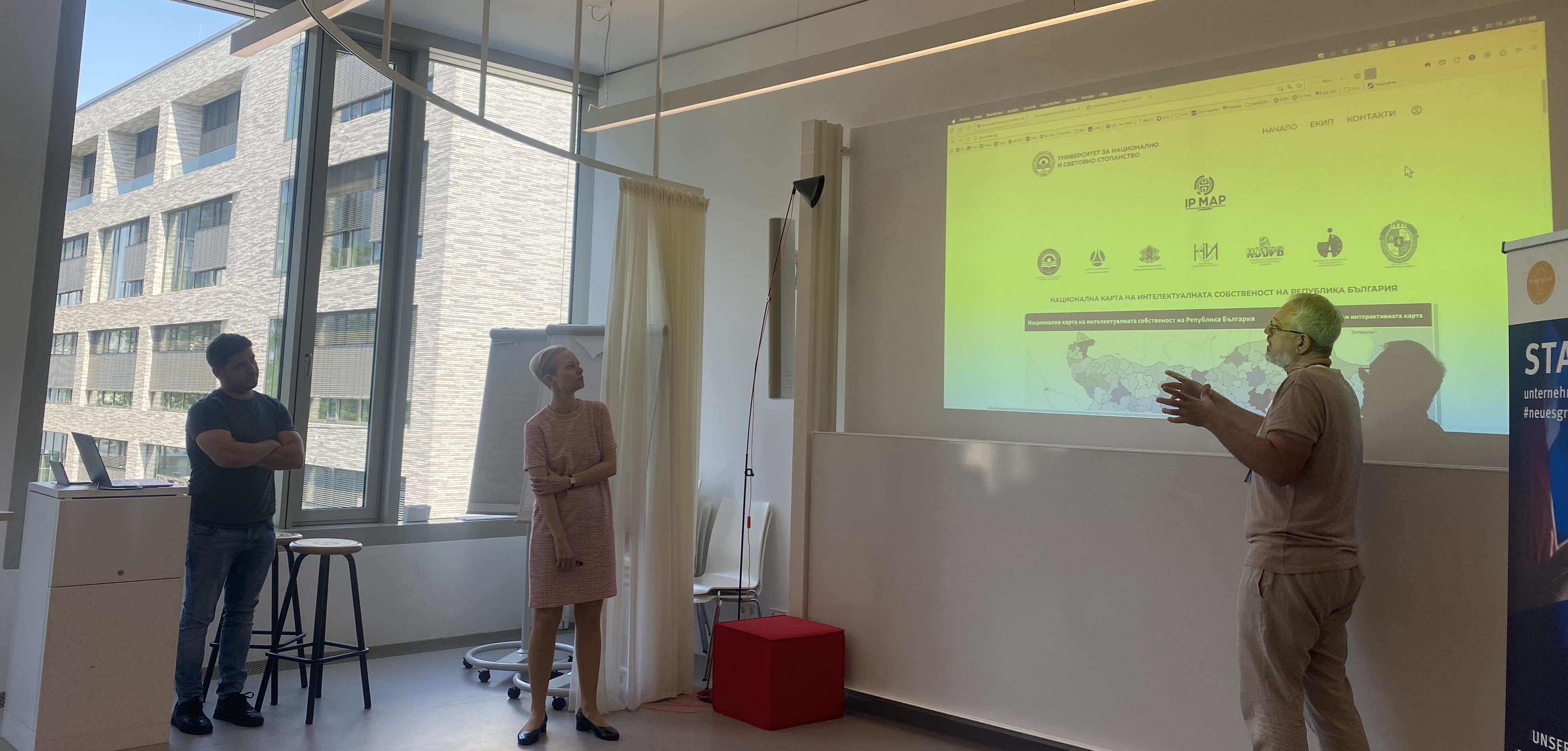 |
| Heilbronn University of Applied Sciences |
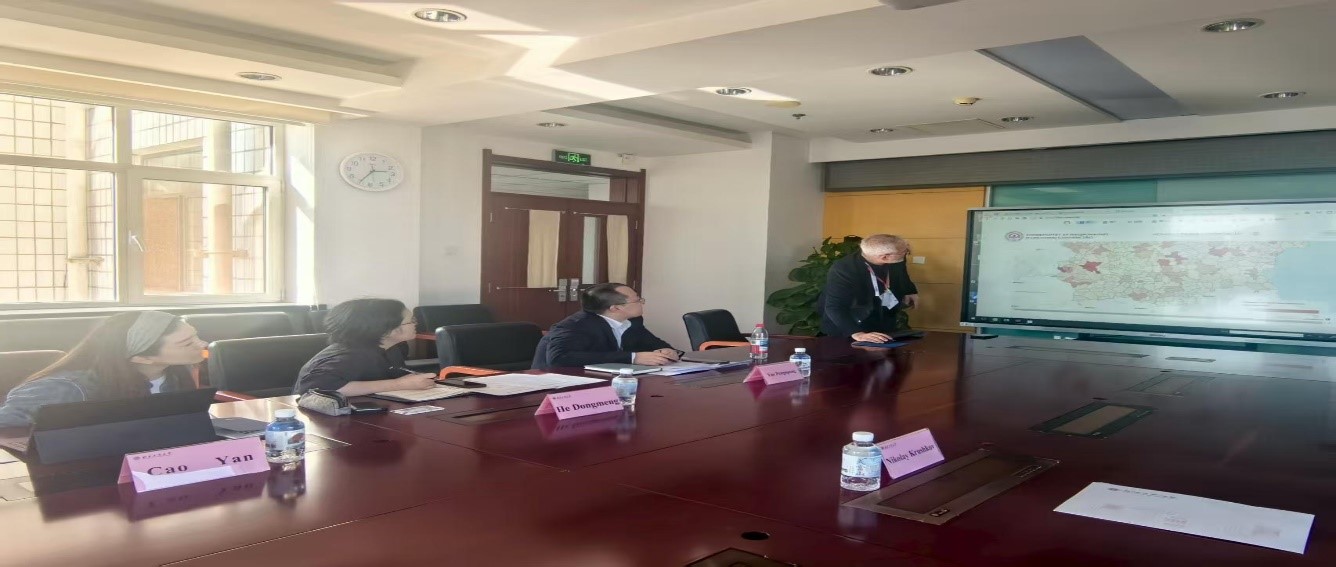
In September, the Institute's management participated in the 42nd World Conference of Science Parks and Innovation Areas, organized by the International Association of Science Parks /2025 IASP Beijing/. A working meeting was held with Ms. Dongmeng He, Director of the International Office of Beijing Technology and Business University /BTBU/, where the National Map was presented.
 |
I am pleased to announce that in November the team of the Institute of Intellectual Property and Technology Transfer together with all partner organizations in the national map project will hold a meeting with the Director General of the World Intellectual Property Organization Mr. Darren Tang at the organization's headquarters in Geneva, Switzerland.
How can institutions use the interactive national map, indices, and intellectual property profiles?.
In this regard, we are in contact with the Ministry of Electronic Governance in relation to the National Digitization Strategy for 2026-2030, and the role and place of the interactive national map has been confirmed and supported by the Ministry of Culture. Following the inclusion of the National Map in the Bulgarian Open Science Portal of NACID, we discuss with the Ministry of Education and Science the inclusion of the Map in the National Roadmap for Scientific Infrastructure. We sign memoranda of cooperation with commissions and executive agencies, within the framework of which we will provide both the technology and the acquired knowledge and know-how for use by the state organizations. It is important to note that the research results allow for a comparative analysis that can support informed decision-making in determining investment priorities, developing local innovation policies, and directing resources to areas with the greatest potential. For the state institutions, the Map serves as a national analytical tool, including data with the highest degree of reliability.
How does the University - Industry Technology Transfer System function and why is it protected as a useful model?
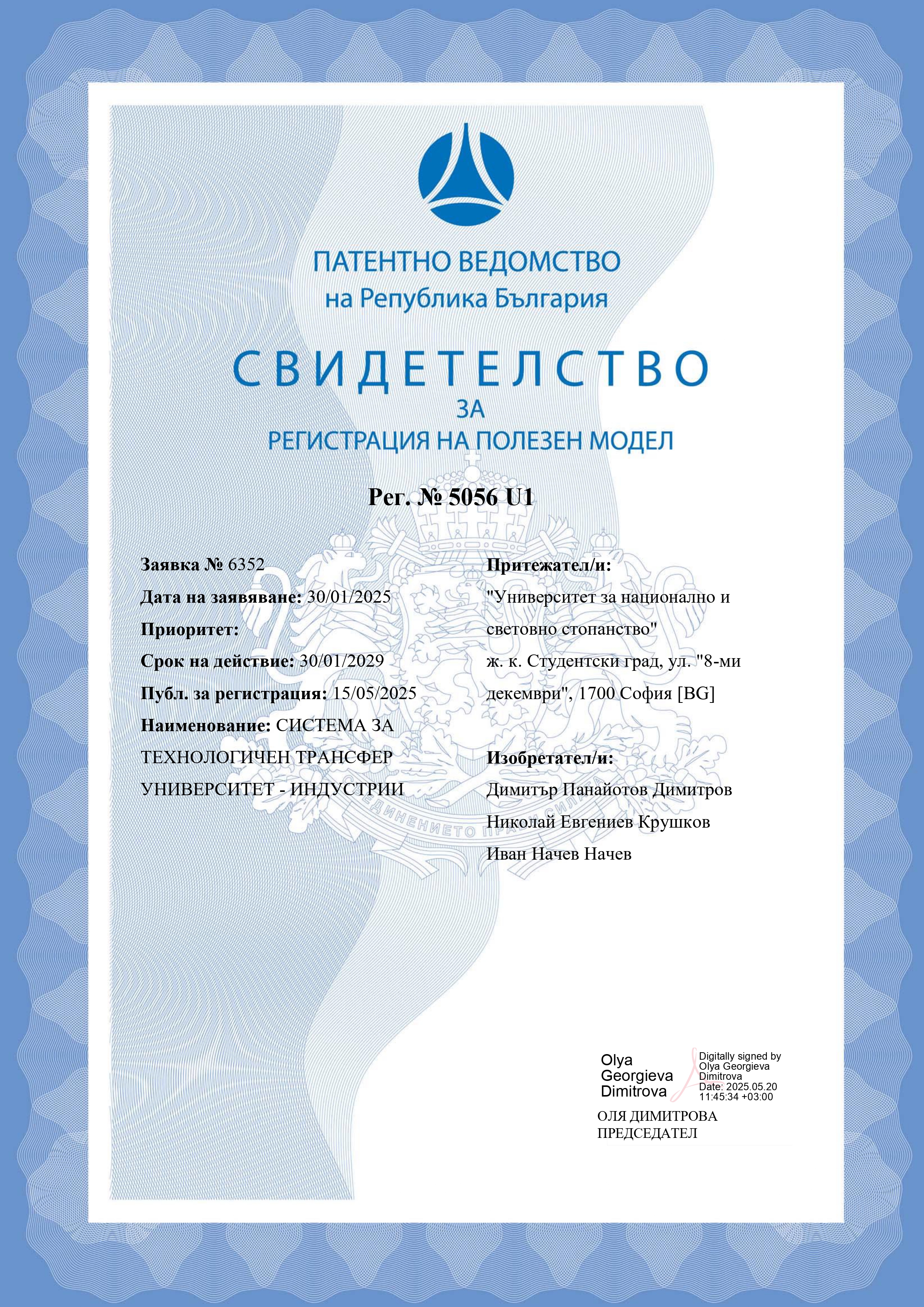
The system was developed within four to five months at UNWE and it is structured to process and classify the results of applied scientific research from all Departments of the University, with Departments being able to choose where the research results are applicable in 18 industrial sectors, ranging from mechanical engineering and information and communication technologies to cultural and creative industries. A high degree of automation ensures a quick and efficient transition from academic development to evaluation for protection as intellectual property, including patents for inventions and utility models, depending on the commercialization potential of the scientific result. The internal platform created for the UNWE includes a digital environment accessible to all Departments, where the results of applied research are uploaded. They are analyzed by the Institute of Intellectual Property and Technology Transfer at UNWE in terms of opportunities for patent protection and other forms of protection. The external platform of UNWE is publicly accessible from the UNWE website and it is business-oriented providing technologies created by the UNWE by industry allowing companies to identify suitable solutions and contact the University team directly. This ensures a two-way flow of ideas, innovations, and practice. Registering the technology as a utility model at the Patent Office guarantees legal protection for the system and its functionalities, confirming its unique nature.
 |
What is the innovative ecosystem of the Institute of Intellectual Property and Technology Transfer at UNWE that has been created?
At international level in the academic field, these are universities from Israel and Germany, and talks are also underway with the US. In terms of international technology parks, the UNWE Institute has partnerships with technology parks in Germany, Turkey, and China. In terms of industry partnerships, these are companies from Germany, Israel, and the US. The Institute acts as a bridge between the scientific community and the economic sector, providing high-value knowledge, research, and data, as well as tools for practical application. Through training, national projects and consultations the UNWE contributes to the creation of an environment in which intellectual property is perceived as a strategic resource rather than simply a legal category.
On a national scale, the UNWE Institute traditionally partners with the Bulgarian Association of Music Producers, Profon, Artistautor, the National Film Center, and other organizations from the creative industries in Bulgaria.
What is the role of the newly established institutes at UNWE in balancing fundamental and applied scientific research?
The newly established institutes at the UNWE make an important contribution to ensuring a balance between the fundamental and the applied scientific research, facilitating not only the development of the theoretical basis, but also the implementation of applied developments in the real sector of the economy and society. Their mission is to promote scientific interdisciplinarity by focusing their work on contemporary and relevant scientific areas that connect the university environment with the specific demands of business and public institutions.
The institutes build partnerships with strategic institutions and organizations, implement projects with a clear applied focus, which supports the integration of innovation into the social and economic environment.
The two new institutes at the UNWE – the Institute for Artificial Intelligence in Economics and the Institute for Enhancing Research Capacity in Nuclear Industry and Nuclear Security – will create conditions for the parallel and mutually supportive development of applied scientific solutions intended primarily for industry – national, regional and international.
